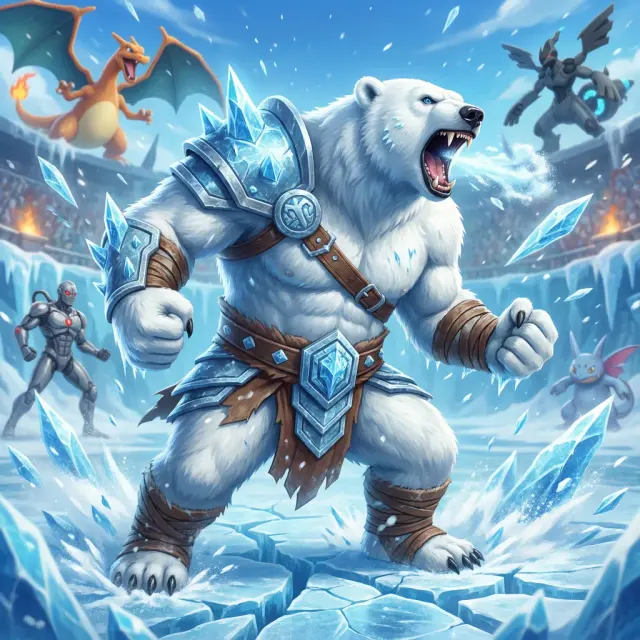

Polar Bear
Clearest edge: Intelligence
48 to 35 — the largest ratings advantage on this side.
Healthy adults · Neutral terrain · No escape · Incapacitation
Choose first. Our matchup-specific verdict and full breakdown unlock immediately.
These ratings frame the pressure points without declaring a winner. Powers, counters, equipment and actual win conditions still decide the editorial call.
48 to 35 — the largest ratings advantage on this side.
65 to 40 — the largest ratings advantage on this side.
25 to 25 — the category least separated before matchup-specific counters are applied.
Ratings describe broad attributes. The verdict also weighs counters, resistances, range, equipment and win conditions.
Make your pick first. The deciding call, full matchup analysis and strongest counter-case unlock instantly.
 Polar Bear also fights
 Great White Shark also fights